

Content
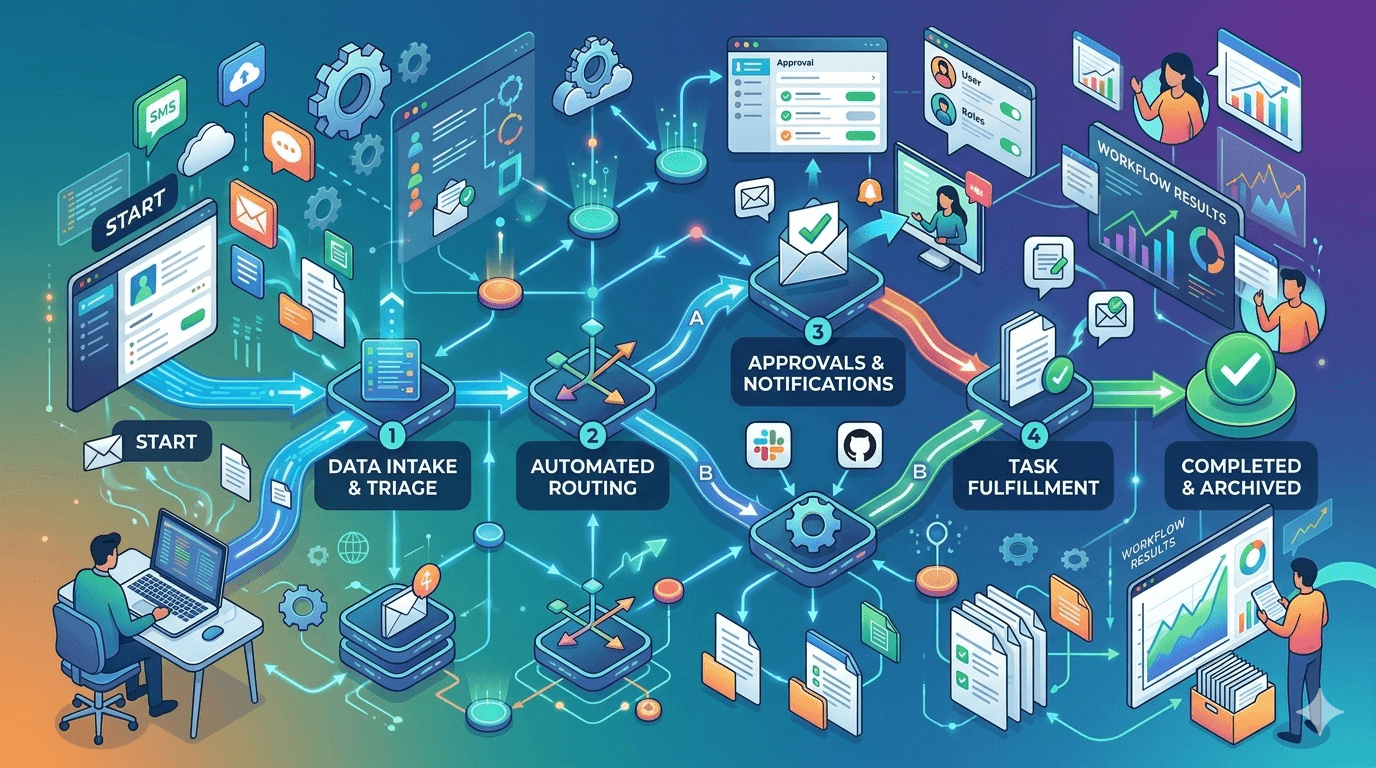
In today’s software landscape, businesses rarely rely on a single system instead, they operate across a wide mix of cloud and on-premise applications, each handling different parts of their workflow. This is where Integration Platform as a Service (iPaaS) comes in. iPaaS is a cloud based integration layer that connects these disparate systems, enabling them to communicate, share data, and work together as a unified ecosystem. Rather than building and maintaining custom integrations for every pair of applications, iPaaS provides a centralized platform to design, manage, and scale integrations efficiently. As organizations increasingly adopt tools like Salesforce, Slack, and Shopify, the need to eliminate data silos and automate cross system workflows has made iPaaS a foundational component of modern digital architecture.
To address these challenges, a range of iPaaS solutions have emerged, offering varying levels of flexibility, scalability, and ease of use. Platforms like Dell Boomi and MuleSoft are known for their enterprise grade capabilities, supporting complex integrations, API management, and large scale data orchestration. On the other hand, tools such as Zapier focus on simplicity and accessibility, enabling non technical users to automate workflows with minimal setup. Together, these solutions highlight how iPaaS has evolved to serve both enterprise and business user needs, making integration faster, more reliable, and increasingly accessible.
Building on the fundamentals of iPaaS, the next step is understanding why the category itself is evolving and where traditional platforms begin to fall short. While solutions like Dell Boomi helped define the integration space, they were designed for a world where integrations were largely static, rule based, and human managed. Today’s environments are far more dynamic: workflows span multiple systems, failures need real time handling, and business logic is constantly changing. This shift is driving the need for a new generation of platforms , ones that go beyond just connecting systems and instead bring intelligence, automation, and resilience into the integration layer.
This is not a story about “more connectors.” It’s about better automation outcomes intelligent, reliable, and self healing integrations that reduce operational overhead and accelerate delivery.
Why this comparison matters now
Integration teams face growing pressures in today’s fast paced enterprise environment:
Deliver automations faster across multiple systems
Handle more exceptions with fewer people
Reduce workflow failures in production
Maintain a clean, scalable integration architecture
Traditional iPaaS platforms solved the first generation of integration needs. But modern organizations require platforms that can build, reason, adapt, and recover automatically. NeuroMesh is designed for that generation.
1) Self Healing Workflows, Not Just Alerts
In most legacy integration setups, when a workflow fails, platforms log an error and notify the operations team. The team then manually investigates and retries.
NeuroMesh introduces autonomous recovery with intelligent self healing workflows:
In most legacy integration setups, when a workflow fails, platforms log an error and notify the operations team. The team then manually investigates and retries.
NeuroMesh introduces autonomous recovery with intelligent self healing workflows:
Result: Lower mean time to recovery, fewer manual interventions, and improved workflow reliability under real production load.
2) AI Powered Copilot: From Prompt to Integration Flow
A key productivity gap in enterprise iPaaS projects is translating business requirements into technical workflows. NeuroMesh Copilot bridges this gap:Deliver automations faster across multiple systems
Convert plain language prompts into working workflow structures
Accelerate flow setup, transformations, and debugging
Reduce handoffs between analysts and engineers
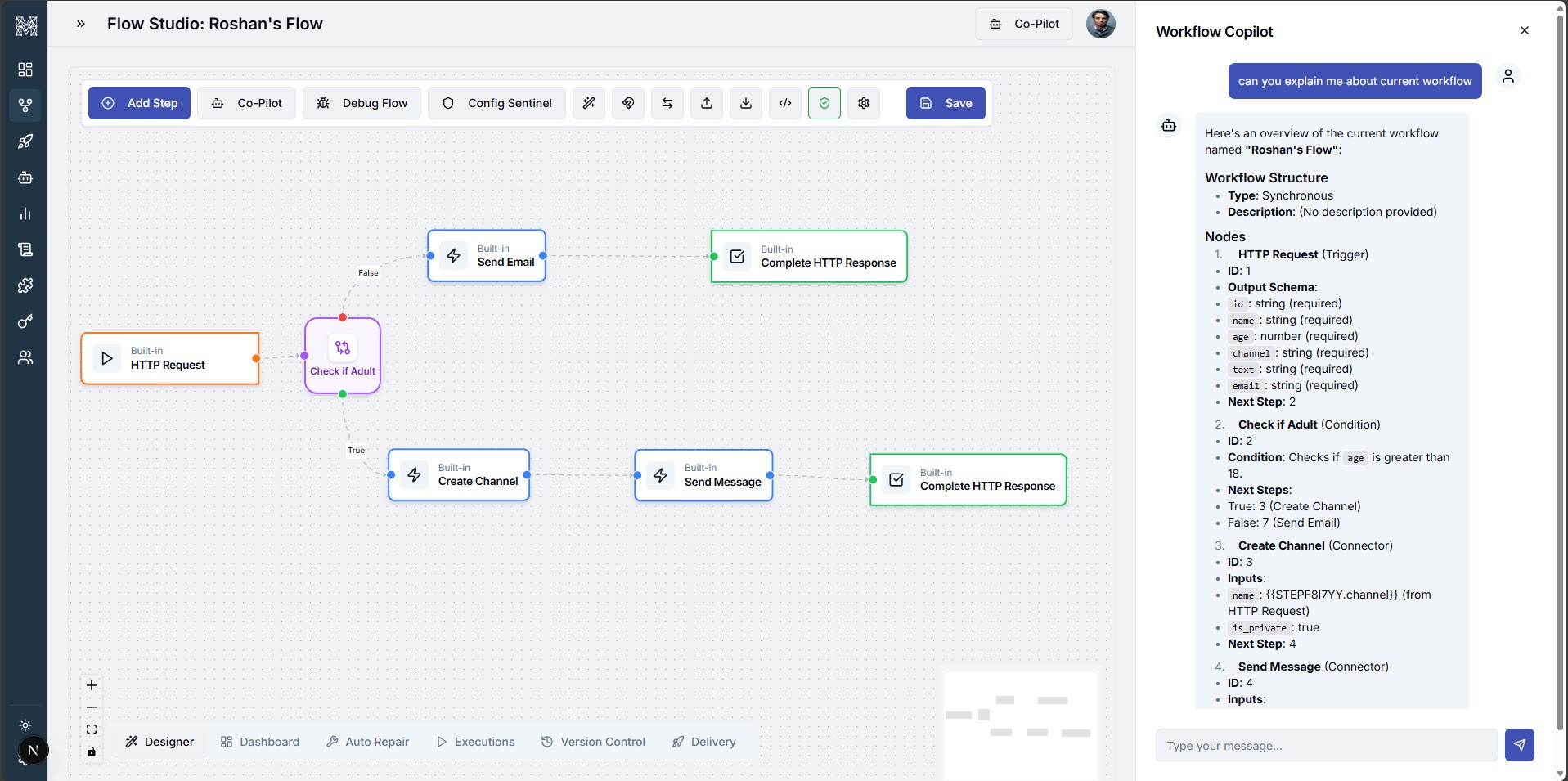
Teams can generate a working draft in minutes, iterate quickly, and refine workflows in a visual low-code designer, boosting both speed and accuracy.
3) Built for Developers Too: JavaScript Execution Inside Workflows
Low-code platforms often hit limitations in real world edge cases. NeuroMesh supports native JavaScript execution, allowing teams to:
Implement custom business rules without leaving the platform
Perform dynamic transformations and validations
Handle complex scenarios while keeping logic close to the workflow
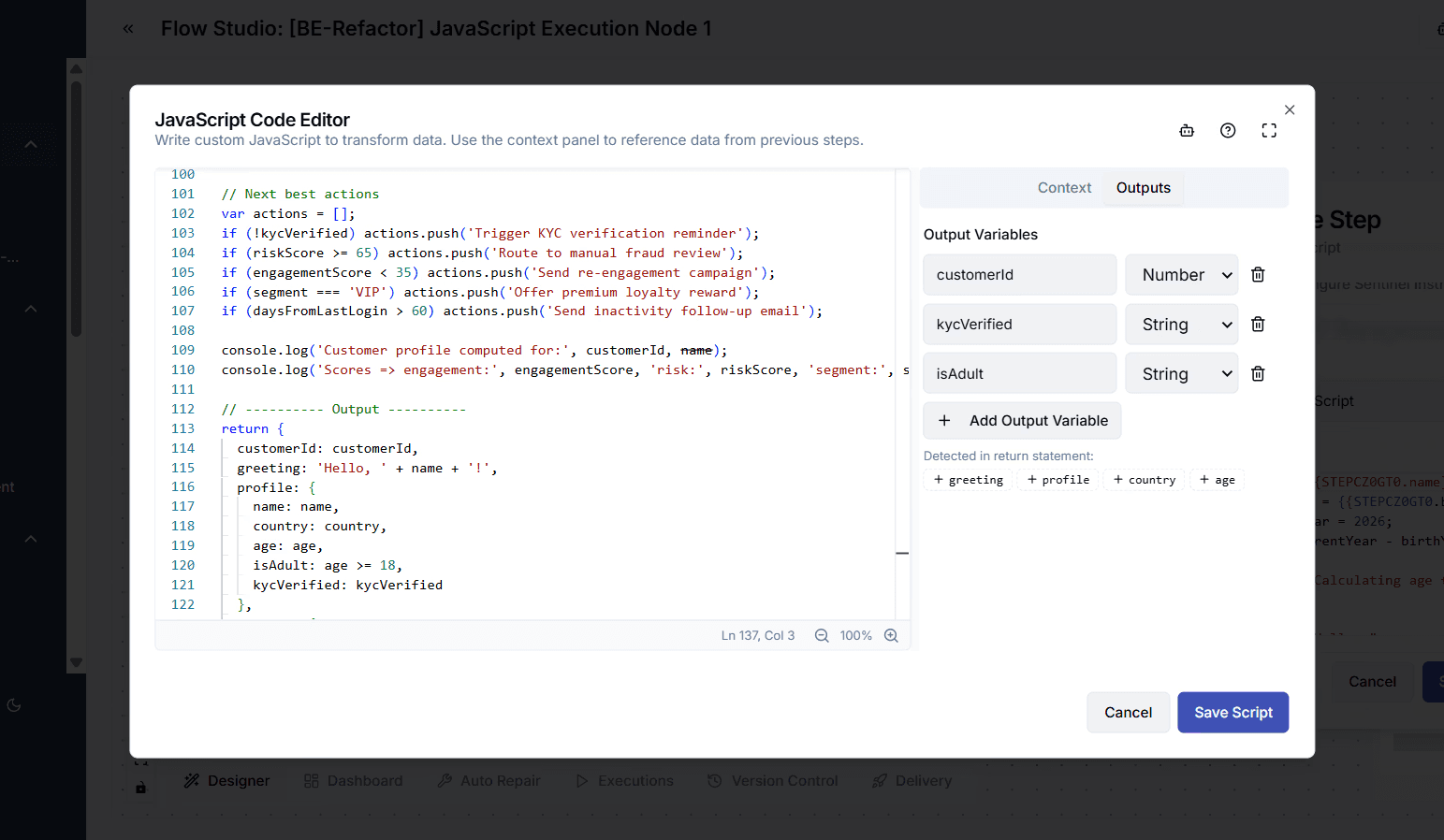
This provides the perfect balance: low-code speed for standard workflows, code level control for complexity.
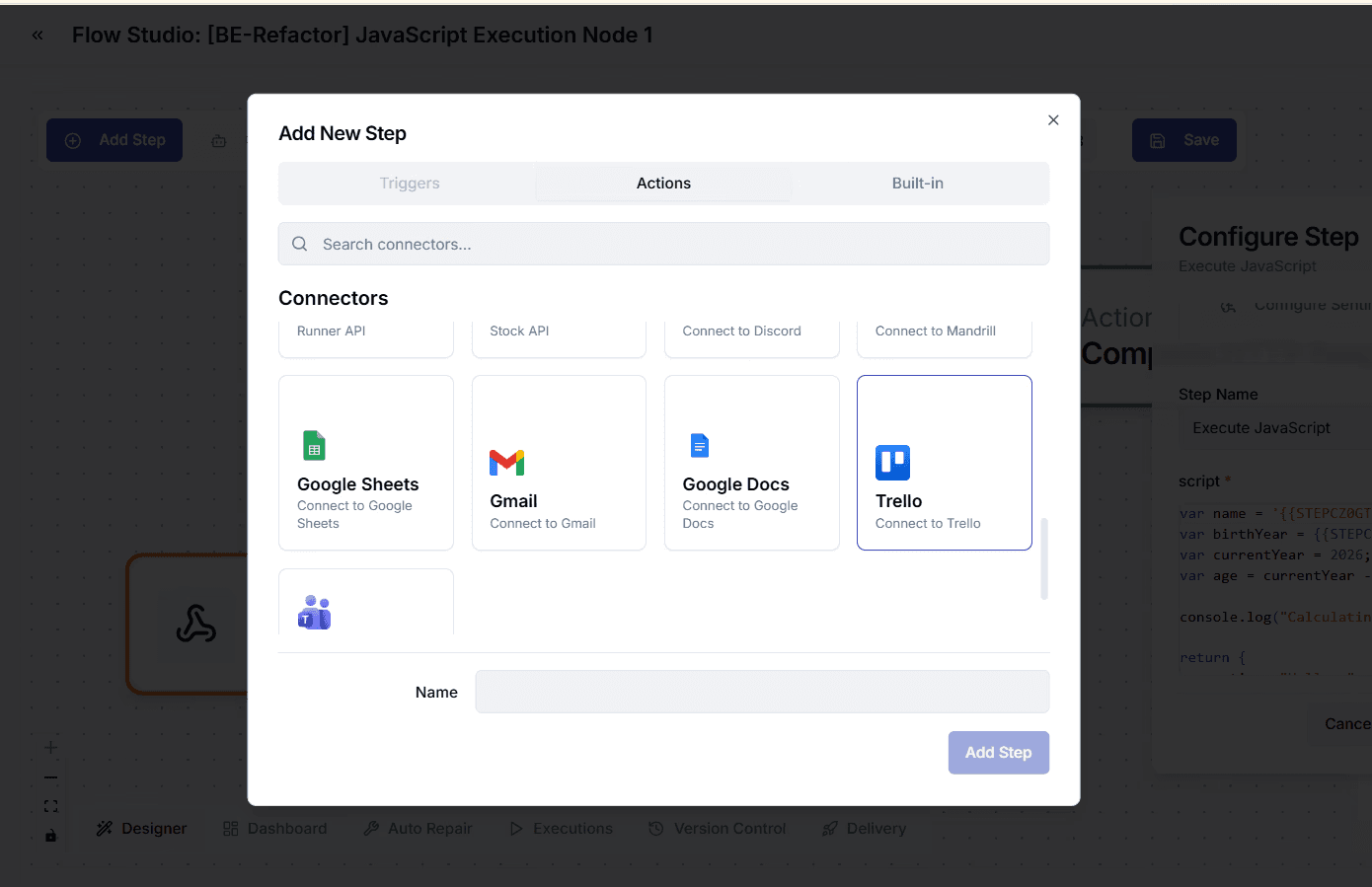
4) Many Connectors, Fully Flexible OpenAPI Based and No Code Needed
NeuroMesh takes a standards first approach with OpenAPI based connectors, making it easy to integrate both common and custom systems without writing custom code. Unlike traditional platforms, where adding connectors or handling unique business logic often requires manual coding, NeuroMesh enables teams to:
Use a wide range of prebuilt connectors for popular enterprise systems
Add custom connectors quickly using the OpenAPI generic format
Onboard new systems with standardized API definitions, ensuring consistency and maintainability
Build robust, reusable integrations without proprietary coding or workarounds
Who Should Consider NeuroMesh First
NeuroMesh is ideal for teams seeking:
Faster integration delivery with fewer bottlenecks
Enhanced production resilience and reduced operational overhead
A platform usable by both analysts and developers
Long term architecture flexibility via open standards
Final Takeaway
The integration market is shifting: from “how many systems can I connect?” to “how reliably and intelligently can I automate business outcomes?”
NeuroMesh represents this evolution enabling teams to build quickly, adapt intelligently, and recover automatically when real world complexity hits.
For organizations evaluating the next phase of enterprise integration, the question is no longer connector count. The question is:
Can your platform deliver autonomous, intelligent, and reliable automation at scale?
With NeuroMesh, the answer is yes.
Share Blog